Image from Lonely Planet
Last night I had a dream about Hong Kong. The place looked and felt familiar, and I recognized it without a trace of doubt. I'd been there before; I knew it from a previous visit. When I arrived at the hotel, looking down on the pool and across at the green hills was a kind of homecoming.
The strangest part happened after I woke. Lying in bed enjoying the memory of my travels, I realized that the place had not been Hong Kong. I did visit that city in 1983, but the dream place was somewhere else. Yet where? It was none of the real places I'd been, yet it was familiar.
In the end, I was convinced that the dream place was somewhere I'd visited in a dream before. This nocturnal sleep journey was a dream of a dream.
Wednesday, November 18, 2015
Tuesday, November 17, 2015
Your Body's Many Cries for Water by Dr. Fereydoon Batmanghelidj
Image from amazon
This amazing book, originally published in 1992, was reissued in 1997, 2004 and 2008.
Born in Iran in 1931, Dr. Batmanghelidj trained as a doctor in Fettes College Scotland and St. Mary's University Medical School at London University. He practiced in the UK before returning to Iran to develop hospitals and medical centers.
When the Iranian Revolution broke out in 1979, he was arrested and imprisoned. It was during the two and a half years he spent in Evin prison that Dr. Batmanghelidj discovered the power of water to treat the many ills of his fellow political prisoners. Lacking other medicines, he used water with amazing success to treat peptic ulcers.
The intrepid doctor was fifty, when, after being released from prison, he left Iran for the US. There he began his research into chronic unintentional dehydration, discovering that pain in various parts of the body is a common signal of water shortage. Dehydration, he maintains, can lead to asthma, arthritis, angina, hypertension, lupus and more. The drugs given for these conditions often tend to worsen them, and even exacerbate the original dehydration.
According to the book, 'His message to the world is, "You are not sick, you are thirsty. Don't treat thirst with medication."
This amazing book, originally published in 1992, was reissued in 1997, 2004 and 2008.
Born in Iran in 1931, Dr. Batmanghelidj trained as a doctor in Fettes College Scotland and St. Mary's University Medical School at London University. He practiced in the UK before returning to Iran to develop hospitals and medical centers.
When the Iranian Revolution broke out in 1979, he was arrested and imprisoned. It was during the two and a half years he spent in Evin prison that Dr. Batmanghelidj discovered the power of water to treat the many ills of his fellow political prisoners. Lacking other medicines, he used water with amazing success to treat peptic ulcers.
The intrepid doctor was fifty, when, after being released from prison, he left Iran for the US. There he began his research into chronic unintentional dehydration, discovering that pain in various parts of the body is a common signal of water shortage. Dehydration, he maintains, can lead to asthma, arthritis, angina, hypertension, lupus and more. The drugs given for these conditions often tend to worsen them, and even exacerbate the original dehydration.
According to the book, 'His message to the world is, "You are not sick, you are thirsty. Don't treat thirst with medication."
Monday, November 16, 2015
Exploding crabapples?
Sunday, November 15, 2015
Alberta style medicine wheel recreated in VanDusen
The Canadian Heritage section of the gardens is divided into sections, each filled with flora from one of Canada's geographic regions.
This picture shows the boreal forest that covers much of our country. The segmented stone circle is an aboriginal medicine wheel like the ones found across Alberta and Saskatchewan, some up to 7500 years old. Medicine wheels mark the seasons and remind us of our deep connection to earth. At VanDusen, ceremonies are sometimes held here.
Saturday, November 14, 2015
Thomas Merton and the Noonday Demon by Donald Grayston
Author Don Grayston laughs with friends as he prepares to launch his book Thomas Merton and the Noonday Demon at the Canadian Memorial United Church and Centre for Peace.
It's always a pleasure to hear my former SFU professor speak, and wherever he addresses a group, there is laughter.
That doesn't mean Donald Grayston is frivolous. Far from it. An anti-war activist, he has long worked for peace between the Israelis and Palestinians. He is also a proponent and practitioner of inter-faith dialogue.
The way forward, he says, is to "include and transcend," adding, "There is no them -- only larger groups of us."
Pope Francis, Don told us, has called the monk Thomas Merton one of four great Americans and an outstanding spiritual writer of the 20th century. Merton's life was marked by restlessness. His parents, from different countries, were dead by the time he was sixteen. Merton graduated from Columbia University "at the edge of a nervous breakdown" and joined the Roman Catholic church, where he remained a monk for 27 years.
His main concerns were peace, war and non-violence. Desiring a solitude in which he could be present to himself and to God, he lived a life of contemplation at Gethsemani Abbey in Kentucky, where he wrote extensively, publishing, as Don reported to an appreciative audience, "67 books while he was alive and another forty after his death."
Thomas Merton was also concerned with ecology. He corresponded with Rachel Carson, the author of the groundbreaking book, Silent Spring.
When his abbey grew noisy with renovations and innovations, Merton was motivated to seek permission to join a monastery in Camaldoli, Tuscany. About this effort, Don opined, Merton was a "scamp." Since the monk knew the abbott read all incoming and outgoing correspondence, he smuggled out the letter of request for a hermitage at Camaldoli, and instructed his interlocutor to answer in a code that concerned roses.
Merton, said his biographer, was "both independent and deferential." In spite of his efforts, his attempt to move from Kentucky to Italy was scuttled. Yet perhaps this was for the best. At that time, Camaldoli was in the midst of a "culture war" between tradition and modernity.
The answer to this period of restlessness was a change of position. Given the great responsibility as the Master of Novices, he settled down and lasted ten years before restlessness struck once more. This time, feeling he had a particular ministry for intellectuals, he sought and received permission to go to Mexico City. However, in the atmosphere of Cold War, the church kiboshed this plan too, out of fear of the influence of "somewhat communist" clerics there.
Once more Merton was told, "Bloom where you are planted." This time the consolation prize was a hermitage near the abbey, where he stayed three years. During this time, Joan Baez visited and brought him jazz records. Jazz was not allowed in the main community.
1966 turned out to be the peak year for priests to leave the church. Rather than a loss of vocation, Merton underwent back surgery. During his hospital stay, a third phase of restlessness hit, and aged 51, he fell in love with a 24-year-old nurse called Margie. Their shared passion was a highly unusual romance. For Merton, it resolved longstanding doubts about his lovability.
Fifty years later, the story of their passion still retains a certain suspense. Margie, who later married and had children, burned Merton's letters and never spoke about their affair. She has written about it, but this document will be released only upon her death. Amazingly, she has done interviews for the CBC, which will also be aired after her passing.
Merton himself died accidentally in Thailand in 1968, while he was at the height of his powers. A great practitioner of interfaith dialogue, he'd recently had a profound spiritual experience at a Buddhist temple in Sri Lanka. And it was after talking to Merton that the Dalai Lama said he never understood Christianity until he talked to Thomas Merton.
One of many written about Thomas Merton, Don Grayston's book deals with the Canadoli correspondence, and includes fascinating letters written to and by the great man.
In closing, Donald Grayston quoted Merton as saying, in the context of his nuclear pacifism, "the root of war is fear. Until we deal with fear, we will not deal with violence." As someone who has worked toward nuclear disarmament, our speaker reminded us that though the press no longer harps on this, both the US and Russia still have missiles on hair trigger alert.
As much as I enjoyed hearing about it, I look forward to reading this book.
It's always a pleasure to hear my former SFU professor speak, and wherever he addresses a group, there is laughter.
That doesn't mean Donald Grayston is frivolous. Far from it. An anti-war activist, he has long worked for peace between the Israelis and Palestinians. He is also a proponent and practitioner of inter-faith dialogue.
The way forward, he says, is to "include and transcend," adding, "There is no them -- only larger groups of us."
Pope Francis, Don told us, has called the monk Thomas Merton one of four great Americans and an outstanding spiritual writer of the 20th century. Merton's life was marked by restlessness. His parents, from different countries, were dead by the time he was sixteen. Merton graduated from Columbia University "at the edge of a nervous breakdown" and joined the Roman Catholic church, where he remained a monk for 27 years.
His main concerns were peace, war and non-violence. Desiring a solitude in which he could be present to himself and to God, he lived a life of contemplation at Gethsemani Abbey in Kentucky, where he wrote extensively, publishing, as Don reported to an appreciative audience, "67 books while he was alive and another forty after his death."
Thomas Merton was also concerned with ecology. He corresponded with Rachel Carson, the author of the groundbreaking book, Silent Spring.
When his abbey grew noisy with renovations and innovations, Merton was motivated to seek permission to join a monastery in Camaldoli, Tuscany. About this effort, Don opined, Merton was a "scamp." Since the monk knew the abbott read all incoming and outgoing correspondence, he smuggled out the letter of request for a hermitage at Camaldoli, and instructed his interlocutor to answer in a code that concerned roses.
Merton, said his biographer, was "both independent and deferential." In spite of his efforts, his attempt to move from Kentucky to Italy was scuttled. Yet perhaps this was for the best. At that time, Camaldoli was in the midst of a "culture war" between tradition and modernity.
The answer to this period of restlessness was a change of position. Given the great responsibility as the Master of Novices, he settled down and lasted ten years before restlessness struck once more. This time, feeling he had a particular ministry for intellectuals, he sought and received permission to go to Mexico City. However, in the atmosphere of Cold War, the church kiboshed this plan too, out of fear of the influence of "somewhat communist" clerics there.
Once more Merton was told, "Bloom where you are planted." This time the consolation prize was a hermitage near the abbey, where he stayed three years. During this time, Joan Baez visited and brought him jazz records. Jazz was not allowed in the main community.
1966 turned out to be the peak year for priests to leave the church. Rather than a loss of vocation, Merton underwent back surgery. During his hospital stay, a third phase of restlessness hit, and aged 51, he fell in love with a 24-year-old nurse called Margie. Their shared passion was a highly unusual romance. For Merton, it resolved longstanding doubts about his lovability.
Fifty years later, the story of their passion still retains a certain suspense. Margie, who later married and had children, burned Merton's letters and never spoke about their affair. She has written about it, but this document will be released only upon her death. Amazingly, she has done interviews for the CBC, which will also be aired after her passing.
Merton himself died accidentally in Thailand in 1968, while he was at the height of his powers. A great practitioner of interfaith dialogue, he'd recently had a profound spiritual experience at a Buddhist temple in Sri Lanka. And it was after talking to Merton that the Dalai Lama said he never understood Christianity until he talked to Thomas Merton.
One of many written about Thomas Merton, Don Grayston's book deals with the Canadoli correspondence, and includes fascinating letters written to and by the great man.
In closing, Donald Grayston quoted Merton as saying, in the context of his nuclear pacifism, "the root of war is fear. Until we deal with fear, we will not deal with violence." As someone who has worked toward nuclear disarmament, our speaker reminded us that though the press no longer harps on this, both the US and Russia still have missiles on hair trigger alert.
As much as I enjoyed hearing about it, I look forward to reading this book.
Unique garden bench art
If I asked you to guess what this was, would you ever guess it was a the back of a park bench?
The reeds and waterlilies are cut out of the black metal like a stencil.
The effect is truly striking.
Just one more thing to admire at the VanDusen Botanical Gardens in Vancouver.
The reeds and waterlilies are cut out of the black metal like a stencil.
The effect is truly striking.
Just one more thing to admire at the VanDusen Botanical Gardens in Vancouver.
Wednesday, November 11, 2015
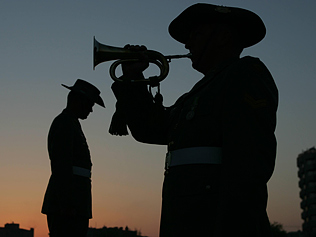
The Last Post?
Image from stromlo.org
Should this be the last post? I well remember putting up the first post, then looking at the archive of a single item.
Within hours, the blog had generated its first visitors. That was mysterious and exciting. People I would never know, in countries I had never visited, were looking at my blog. Though that didn't necessarily mean they'd read my posts, they had seen the site.
The next thrill came from seeing that some visitors were looking at more than one post. Then I began to get occasional comments on my writings. Over time, the 2013 post on Ammolite was visited over 4500 times, and book reviews I did on Brooklyn in 2012 and Indian Horse in 2013 continue to get regular visitors. All this encouraged me to keep going.
Since those early days, my writing exercise at Essay-eh has hosted more than 52,000 visitors from many countries and garnered more than 208,500 page views.
November 20 will be the sixth anniversary of that first post. For the last few weeks, I've been toying with the idea of making this one, on Remembrance Day, my last.
I'm waiting for a sign to help me decide.
Should this be the last post? I well remember putting up the first post, then looking at the archive of a single item.
Within hours, the blog had generated its first visitors. That was mysterious and exciting. People I would never know, in countries I had never visited, were looking at my blog. Though that didn't necessarily mean they'd read my posts, they had seen the site.
The next thrill came from seeing that some visitors were looking at more than one post. Then I began to get occasional comments on my writings. Over time, the 2013 post on Ammolite was visited over 4500 times, and book reviews I did on Brooklyn in 2012 and Indian Horse in 2013 continue to get regular visitors. All this encouraged me to keep going.
Since those early days, my writing exercise at Essay-eh has hosted more than 52,000 visitors from many countries and garnered more than 208,500 page views.
November 20 will be the sixth anniversary of that first post. For the last few weeks, I've been toying with the idea of making this one, on Remembrance Day, my last.
I'm waiting for a sign to help me decide.
Subscribe to:
Posts (Atom)